

When Stress Takes Over: What Fight or Flight Really Does to You
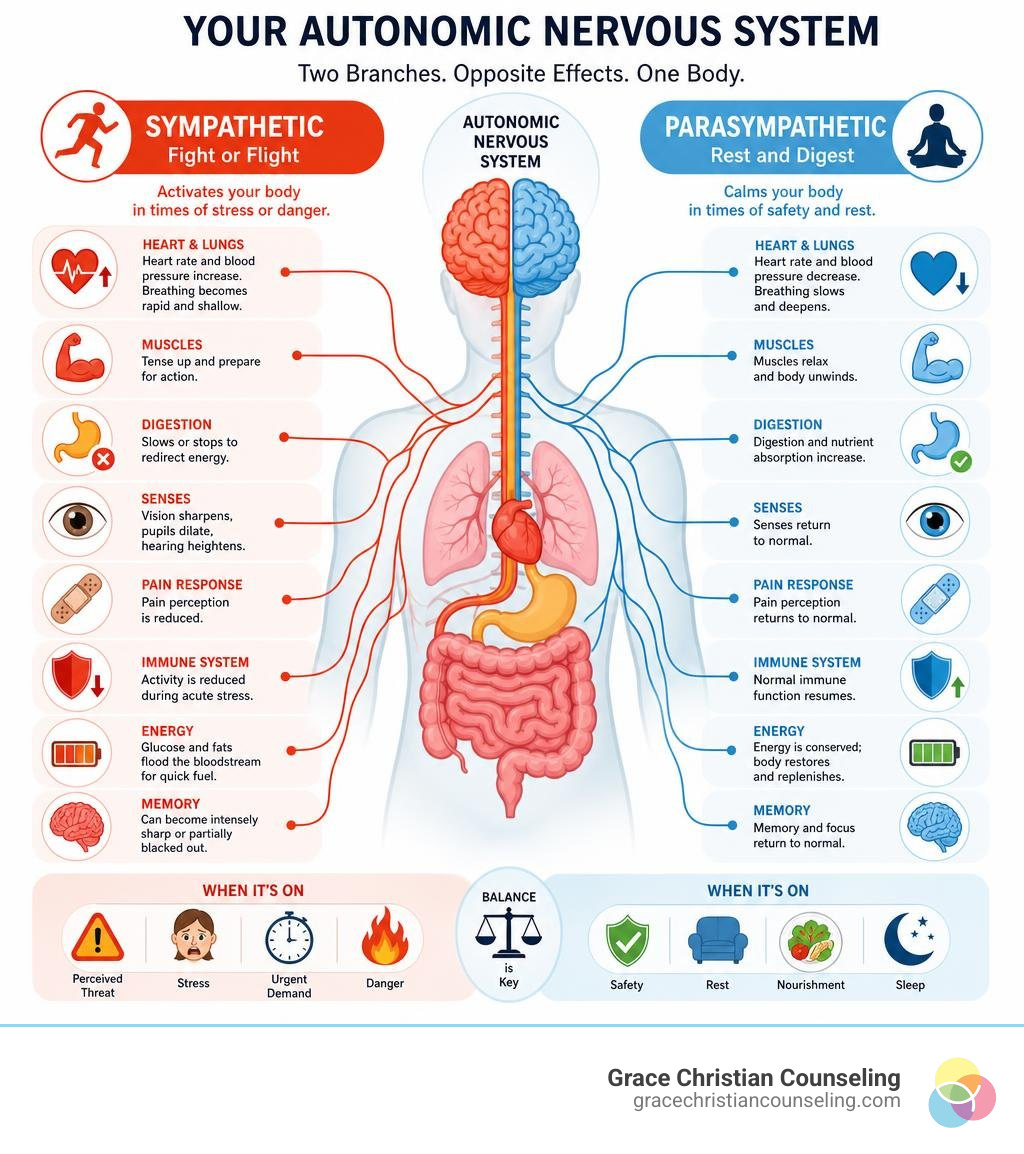
The fight or flight effects on body are far more dramatic than most people realize. When your brain senses danger, real or imagined, it triggers a full-body alarm that changes everything from your heart rate to your digestion in a matter of seconds. The most noticeable effects often include:
- Heart and lungs: Heart rate spikes, blood pressure rises, breathing becomes rapid and shallow
- Muscles: Tense up immediately to prepare for movement
- Digestion: Shuts down temporarily so energy can go elsewhere
- Senses: Vision sharpens, pupils dilate, hearing becomes more acute
- Pain response: Temporarily suppressed so you can keep moving through injury
- Immune system: Activity is reduced during the acute stress event
- Energy: Glucose and fats flood the bloodstream for fast fuel
- Memory: Can become either sharp or partially blacked out
This response is not a flaw. It is a brilliantly designed survival system. The problem is that many people today, including a lot of Christians navigating anxiety, grief, or trauma, find this alarm stuck in the “on” position long after the danger has passed.
Think about the last time you felt your heart pounding before a difficult conversation, or lay awake at night with your mind racing over something at work or at home. Your body was doing exactly what it was built to do. It just could not tell the difference between a physical threat and an emotional one.
This guide walks through exactly what happens inside your body when stress takes over, what happens when it becomes chronic, and how both clinical and faith-based tools can help you find your way back to peace.
What is the Fight-or-Flight Response?
First described by Harvard physiologist Walter Bradford Cannon in 1914, the fight-or-flight response is our ancient, built-in survival mechanism; its primary job is to maintain homeostasis, which is the body’s delicate internal balance, when an external threat appears.
To understand how this works, we must look at the autonomic nervous system, which controls our involuntary bodily functions. This system is divided into two main branches that act like the gas pedal and the brake of a car:
- The Sympathetic Nervous System: This is the gas pedal; it triggers sympathetic activation, preparing the body to either confront the danger (fight) or run away from it (flight).
- The Parasympathetic Nervous System: This is the brake; it promotes parasympathetic recovery, often referred to as the “rest and digest” mode, bringing the body back to a state of calm.
When we are in a healthy state, these two systems work in harmony, trading control as needed. However, when we face intense or persistent stress, the sympathetic system takes over, keeping us on high alert. If you want to dive deeper into this foundational concept, you can read our guide on Understanding Fight or Flight Response.
The Neurobiology of Perceived Threats
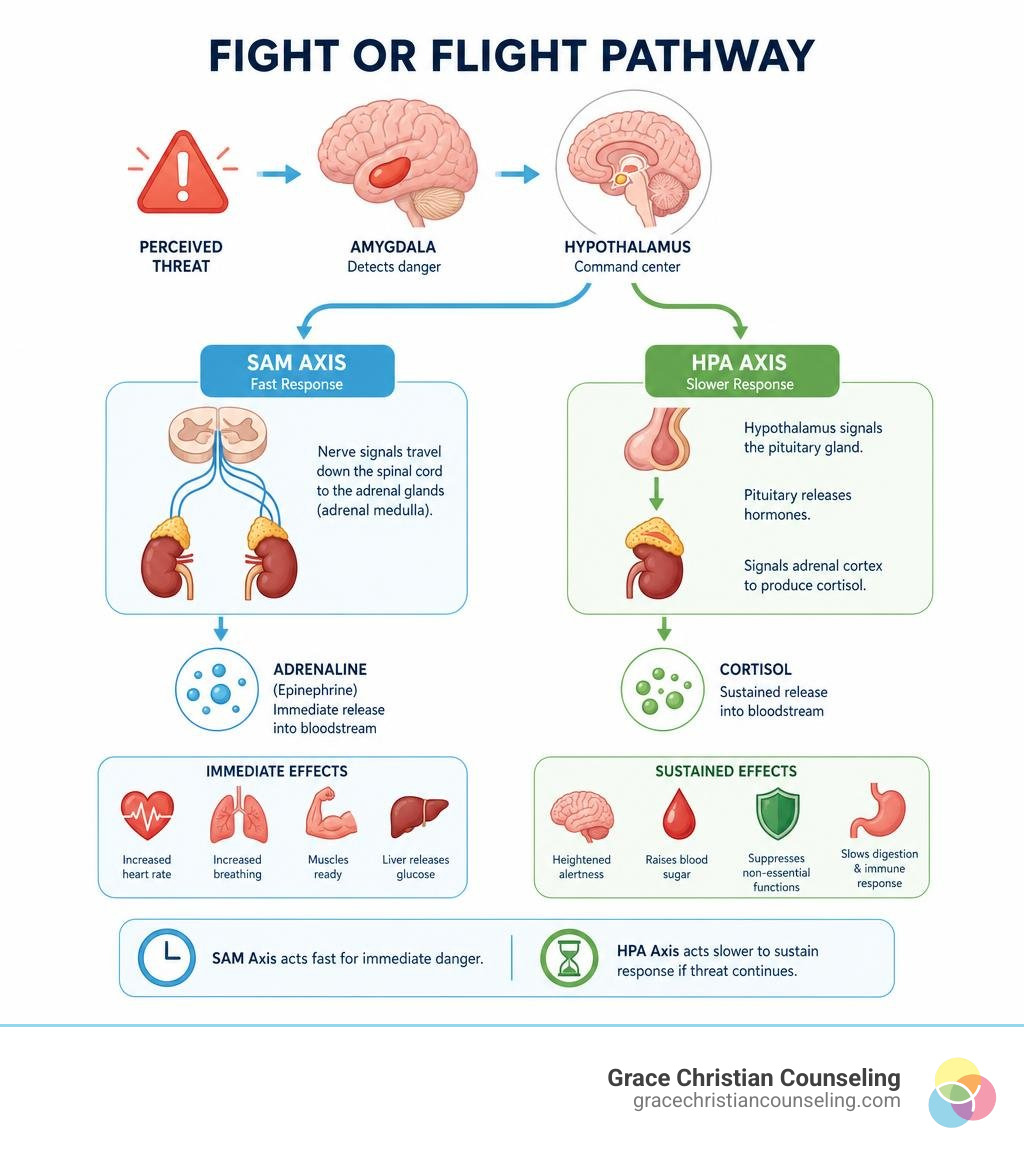
The journey from perceiving a threat to experiencing the physical sensation of panic happens in a fraction of a second; in fact, the response can activate before the brain’s conscious visual centers even process what is happening, which is why you might jump back from a coiled hose on the ground before realizing it is not a snake.
The process begins in the brain and moves quickly through several connected systems:
- The Amygdala: This almond-shaped structure acts as the brain’s smoke detector, processing emotional inputs and sounding the alarm when it senses danger.
- The Hypothalamus: Serving as the central command center, the hypothalamus receives the distress signal from the amygdala and communicates with the rest of the body through the autonomic nervous system.
- The SAM Axis (Sympathetic-Adreno-Medullar): This is the fast-acting pathway; the hypothalamus sends nerve signals down the spinal cord directly to the adrenal glands, triggering an immediate release of adrenaline into the bloodstream.
- The HPA Axis (Hypothalamic-Pituitary-Adrenal): This is the slower, secondary response system; it keeps the body on high alert if the threat persists, releasing a cascade of hormones that eventually prompts the adrenal cortex to produce cortisol.
For a detailed clinical breakdown of these pathways, the Harvard Health guide on Understanding the stress response; Harvard Health offers excellent medical insights.
How Hormones Drive the Fight or Flight Effects on Body
Once the brain sounds the alarm, chemical messengers take over, orchestrating a complex system of cellular communication to prepare you for action. The primary stress hormones include:
- Epinephrine (Adrenaline): This hormone causes your heart rate to spike, elevates your blood pressure, dilates your bronchioles to increase oxygen intake, and signals your liver cells to release stored glucose for quick energy.
- Norepinephrine: Working alongside adrenaline, it constricts blood vessels in non-essential areas, redirecting blood flow to major muscle groups, while sharpening focus and attention.
- Cortisol: Known as the primary stress hormone, cortisol increases glucose in the bloodstream, enhances the brain’s use of glucose, and makes substances that repair tissues more available; at the same time, it temporarily suppresses non-emergency functions, such as digestion, reproduction, and immune activity.
This incredible chemical cascade is explained beautifully in the educational resource on How Cells Communicate During Fight or Flight, while the deeper endocrine pathways are detailed in Stress: Endocrine Physiology and Pathophysiology; Endotext; NCBI Bookshelf.
Immediate Fight or Flight Effects on Body

When your body enters survival mode, it undergoes a rapid reaction designed to redirect all available energy to your muscles and brain. Non-essential processes are shut down immediately, resulting in profound physical changes. If you are curious about the specific sensations you might feel during this shift, you can explore our article on the Fight or Flight Stress Response Explained.
To understand what is happening inside, let us break down the immediate fight or flight effects on body by system, as outlined in the Cleveland Clinic’s resources on What Happens During Fight-or-Flight Response?.
Cardiovascular and Respiratory Surges
Under the influence of epinephrine, your cardiovascular and respiratory systems go into overdrive:
- Heart Rate and Blood Pressure: Your heart pumps faster and harder, raising blood pressure to deliver oxygen-rich blood to your limbs.
- Rapid Breathing and Bronchiole Dilation: The smooth muscles in your lungs relax, dilating the bronchioles; this allows for maximum oxygen intake with every breath, though it can feel like shortness of breath or hyperventilation if you are sitting still.
- Blood Flow Redirection: Blood is shunted away from your skin and abdominal organs, directing it toward your heart, lungs, and skeletal muscles; this is why your hands and feet might feel cold or clammy when you are anxious.
Digestion, Vision, and Immune Suppression
To conserve energy for physical defense or escape, the body deprioritizes daily maintenance tasks. Blood flow to the gastrointestinal tract drops dramatically, slowing or stopping digestion entirely; this can cause a dry mouth, a heavy feeling in the stomach, or sudden nausea. Your pupils also dilate to let in more light, improving peripheral vision so you can spot threats, though this can make you sensitive to bright lights or cause blurry vision.
At the same time, muscles tense across your body so you are ready to spring into action. If that tension is not released, it can lead to headaches, trembling, or soreness. The sudden shift in pelvic muscle tension can sometimes lead to a temporary loss of bladder control or an urgent need to use the restroom. The body may also temporarily dampen pain pathways, allowing injured individuals to keep moving, while immune system activity is inhibited to save energy, a process documented in Physiology, Stress Reaction; StatPearls; NCBI Bookshelf.
Beyond Fight or Flight: The Freeze and Fawn Responses
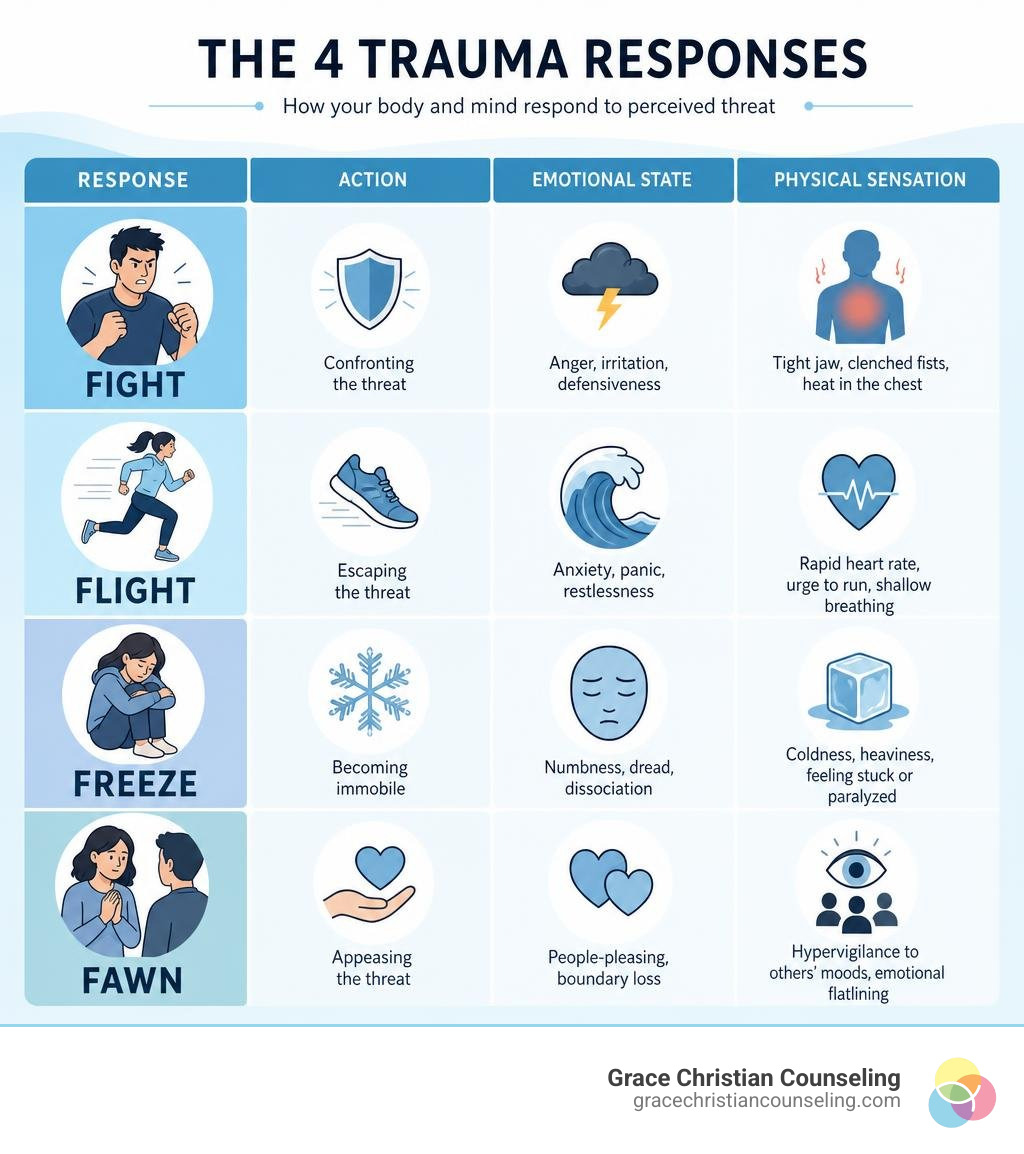
While “fight or flight” are the most famous trauma responses, modern psychology and polyvagal theory recognize that human threat adaptation is much more diverse. When fighting or running away are not viable survival strategies, the nervous system may automatically select other options. Recognizing these patterns is a vital step in Overcoming Anxiety and Fear.
| Response | Action | Emotional State | Physical Sensation |
|---|---|---|---|
| Fight | Confronting the threat | Anger, irritation, defensiveness | Tight jaw, clenched fists, heat in the chest |
| Flight | Escaping the threat | Anxiety, panic, restlessness | Rapid heart rate, urge to run, shallow breathing |
| Freeze | Becoming immobile | Numbness, dread, dissociation | Coldness, heaviness, feeling stuck or paralyzed |
| Fawn | Appeasing the threat | People-pleasing, boundary loss | Hypervigilance to others’ moods, emotional flatlining |
The Freeze Response and Trauma
The freeze response is a state of tonic immobility, similar to an animal playing dead when caught by a predator. When the brain realizes that it can neither fight nor flee, it shuts down to protect itself. This state is characterized by:
- Physical Paralysis: Feeling heavy, stuck, or completely unable to move or speak during a conflict.
- Numbness and Dissociation: A feeling of being detached from your physical body or your surroundings, as if you are watching events unfold from a distance.
- Trauma Storage: Because the intense energy mobilized for fight or flight was never discharged, it can become stored in the nervous system, leading to chronic physical tension and emotional blockages later in life.
The Fawn Response and People-Pleasing
The fawn response, a concept integrated into modern trauma therapy, involves using appeasement and people-pleasing to establish relational safety. It is common in individuals who grew up in unpredictable or abusive environments where their safety depended on keeping others happy. Signs of a fawn response include:
- Conflict Avoidance: Agreeing with others at all costs, even when it compromises your values or personal boundaries.
- Hyper-Attunement: Constantly scanning the room or monitoring a loved one’s facial expressions and body language to anticipate their emotional needs.
- Boundary Loss: Finding it nearly impossible to say “no,” leading to deep codependency, resentment, and a loss of personal identity.
The Toll of Chronic Stress: When the Alarm Won’t Turn Off

In our world, we rarely face physical predators; instead, our stressors are financial worries, relationship conflicts, demanding jobs, and busy schedules. Because the brain cannot distinguish between a physical threat and a psychological one, these modern worries keep our HPA axis activated like an idling motor.
Over time, this constant alert state builds a heavy allostatic load, which is the wear and tear on the body caused by chronic stress. If you are feeling overwhelmed by this weariness, we offer Christian Support for Depression and Anxiety to walk with you through the healing process.
Long-Term Fight or Flight Effects on Body Systems
When stress hormones remain elevated for weeks, months, or years, the fight or flight effects on body shift from protective to destructive:
- Cardiovascular Disease: Persistent surges of epinephrine can damage blood vessels and arteries, increasing blood pressure and raising the risk of heart attacks or strokes.
- Weight Gain and Metabolic Issues: Elevated cortisol levels help replenish the body’s energy stores after a stress response, but they also increase appetite and promote the buildup of fat tissue, particularly around the abdomen.
- Digestive Disorders: Chronic stress interacts with the gut-brain axis, leading to long-term issues like irritable bowel syndrome (IBS), acid reflux, and poor nutrient absorption.
- Immune Dysfunction: Prolonged cortisol exposure suppresses both innate and adaptive immune responses, making you more susceptible to infections and delaying wound healing.
- Sleep Disturbances: High nighttime cortisol levels keep your brain alert, which is a major reason behind Anxiety Keeping You Up at Night.
- Memory and Focus Issues: Chronic stress causes structural changes in the brain, particularly in the hippocampus, leading to memory problems and difficulty concentrating.
Mental Health and Spiritual Weariness
The physical toll of chronic stress quickly spills over into our mental and spiritual lives:
- Emotional Burnout: Living in a constant state of survival drains your emotional reserves, leaving you feeling detached, irritable, or completely exhausted.
- Anxiety and Depression: The chemical imbalances caused by prolonged HPA axis activation can contribute directly to clinical depression and chronic anxiety disorders.
- Spiritual Dryness: When your nervous system is stuck in survival mode, finding quiet time for prayer, reading Scripture, or feeling close to God can feel incredibly difficult; this often leads to a sense of guilt or spiritual isolation, which we address in our guide on How to Deal with Anxiety as a Christian.
For emergency personnel whose bodies stay on alert after the call ends, our guide to support for first responders after difficult calls explains how faith-integrated counseling can fit into a broader support plan. Teachers who stay physiologically “on” after the final bell can also explore counseling support for educators navigating school-year stress.
Regulating Your Nervous System: Biblical and Clinical Strategies
True healing from chronic stress requires a holistic approach that honors both the physical body and the spirit. By combining somatic healing techniques with spiritual disciplines, we can gently guide our nervous system back into a state of safety and peace. If you are looking for professional guidance on this journey, you can learn more about Overcoming Anxiety Through Christian Counseling.
Somatic and Physiological Calming Techniques
To turn off the sympathetic alarm, we must send safety signals directly to the brain through physical, body-based practices. Helpful options include:
- Diaphragmatic Breathing: Slow, deep belly breathing stimulates the vagus nerve, which activates the parasympathetic nervous system; try the “4 to 6 technique,” where you inhale for four counts and exhale slowly for six counts.
- Progressive Muscle Relaxation (PMR): Tensing and then releasing different muscle groups helps discharge stored physical tension and teaches your brain to recognize the difference between tension and relaxation.
- Grounding Exercises: Use your senses to anchor yourself in the present moment; look around and name five things you can see, four things you can touch, three things you can hear, two things you can smell, and one thing you can taste.
- Gentle Physical Activity: A simple 10-minute walk, light stretching, or somatic movement can help process stress hormones; long-term moderate exercise adapts baseline cardiac performance, helping to prevent cardiovascular disease.
- The Power of the Relaxation Response: Clinical research shows how effective these practices can be; in a study of 122 hypertension patients, 34 who practiced relaxation response techniques achieved a systolic blood pressure reduction of over 5 mm Hg after eight weeks. For additional somatic resources, you can also explore tools at NuWellonline.com.
Spiritual Disciplines for Emotional Regulation
As Christians, we have access to spiritual resources that complement clinical tools, bringing deep comfort to a tired mind and body:
- Scripture Meditation: Meditating on God’s Word helps quiet racing thoughts; focus on passages like Philippians 4:6-7, which promises a peace that surpasses all understanding.
- Repetitive Prayer: When you are too anxious to find words, simple, repetitive prayers can be incredibly soothing; try repeating a short phrase like, “Lord, you are my shepherd, I have everything I need,” in rhythm with your breathing.
- Biblical Mindfulness: This involves quietening your mind to focus on God’s presence in the present moment, releasing worries about the future or regrets about the past into His hands.
- Finding Rest in Community: Sharing your burdens with trusted friends, family, or a church small group buffers against the isolating effects of chronic stress.
Frequently Asked Questions About the Stress Response
How long does it take for the body to calm down after fight-or-flight?
The acute hormonal surge of fight-or-flight can happen in a single instant, but returning to your baseline takes time. Typically, it takes about 20 to 30 minutes for your body to clear stress hormones like adrenaline from your bloodstream, activate the parasympathetic nervous system, and return to homeostasis. However, this recovery window can vary depending on the intensity of the trigger and your personal resilience.
Can you be stuck in a constant state of fight-or-flight?
Yes. If you face constant, daily stress, or if you have unresolved trauma, your nervous system can become stuck in a state of hypervigilance. When this happens, your body continues to produce stress hormones even when there is no active danger. Over time, this dysregulation can lead to chronic physical exhaustion, anxiety, and other health issues, but with consistent brain retraining, somatic practices, and professional counseling, it is entirely possible to restore balance.
What is the difference between a real and perceived threat?
A real threat is an immediate, physical danger to your safety, such as swerving to avoid a car collision or encountering an aggressive animal. A perceived threat is a psychological stressor, such as worrying about a work deadline, fearing social rejection, or replaying a painful memory. While the physical danger of a real threat is temporary, perceived threats are often chronic, keeping your body’s stress response active long after any immediate danger has passed.
From Survival Mode to Peace: Finding Help for Your Body and Soul
Living with a nervous system that feels constantly hijacked by stress is exhausting, but you do not have to navigate this path alone. At Grace Christian Counseling, we walk alongside individuals and families in Western Pennsylvania, including communities like Pittsburgh, North Huntingdon, Penn Hills, Uniontown, Bethel Park, Sewickley, Mt. Lebanon, and Ligonier, as well as virtually across the state.
Our licensed counselors, including LSWs and LAPCs, use our compassionate, structured Counseling Blueprint to help you find lasting relief:
- Take Off the Mask: We build a safe, non-judgmental space where you can share your struggles honestly.
- Heal the Wounds: Together, we explore the emotional and relational hurts that keep your nervous system on high alert.
- Remove the Toxins: We identify the unhelpful beliefs and lies that fuel your anxiety.
- Replace with Truth: We install accurate, empowering perspectives rooted in God’s truth, helping you live with a restored mind and a calm body.
If you are ready to take the first step toward reclaiming your physical health and spiritual peace, we invite you to connect with us today to learn more about Online Christian Counseling PA.
This guide is for educational and spiritual encouragement and is not a substitute for personalized professional counseling. If you are in crisis, please reach out for immediate help.
Letting Go Of Past Traumas
