

Can EMDR Help With Narcissistic Trauma?
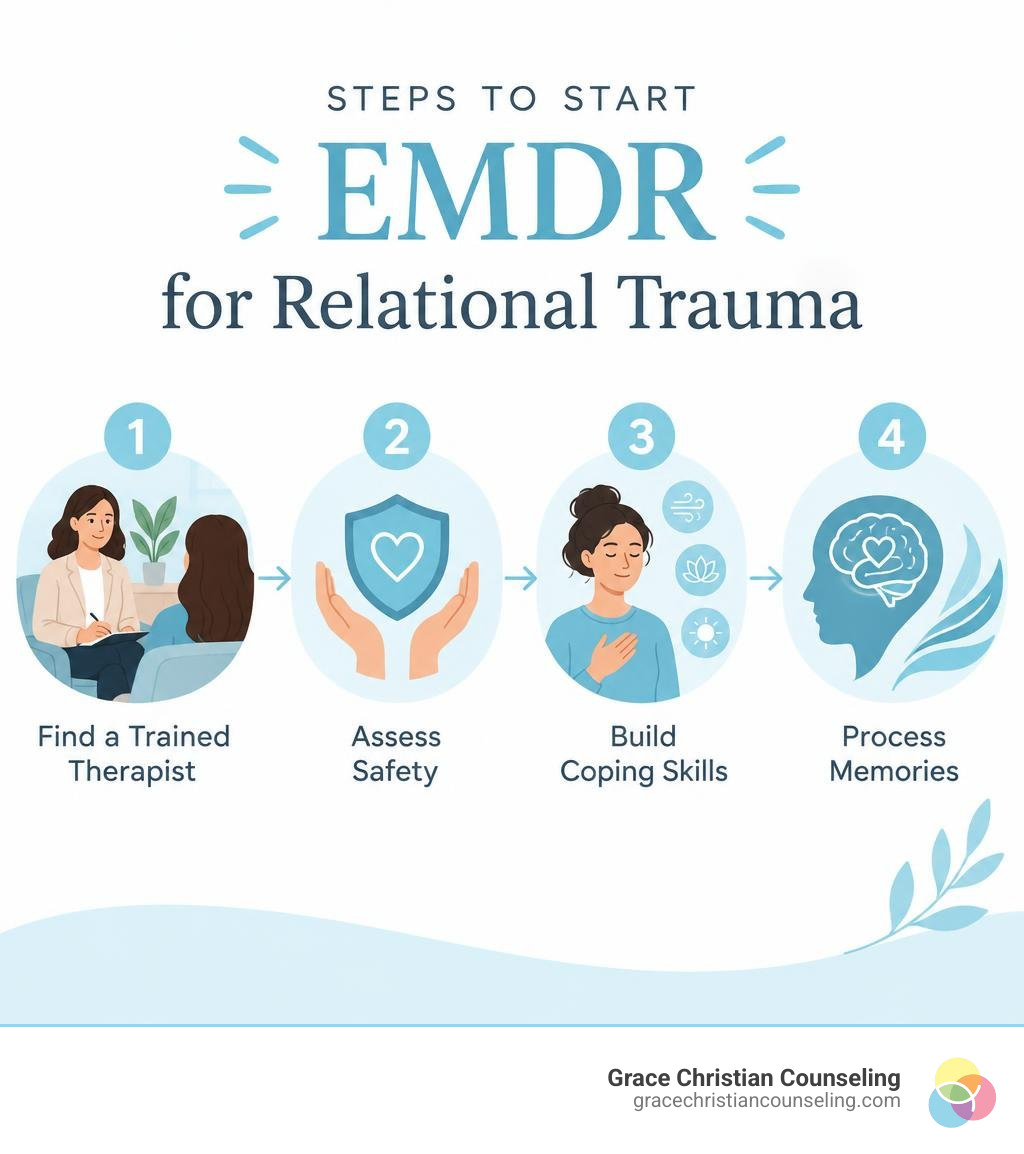
EMDR may help you process painful memories from repeated emotional abuse, but it is not a quick cure. To get started, look for a therapist trained in EMDR and experienced with ongoing relationship trauma. Ask how they will help you feel safe, manage strong emotions, and choose which memories to work on first. If abuse is still happening, make a safety plan before beginning memory processing.
Gaslighting and repeated criticism can leave you doubting yourself long after a relationship ends. Healing often takes more than working through one event. Using EMDR for narc trauma recovery means pacing the work carefully, since these wounds built up over months or years rather than a single moment. At Grace Christian Counseling, we offer Christ-centered, evidence-based care in Western Pennsylvania and online, with space to explore both your faith and your emotional needs.
In our clinical experience, people recovering from emotionally harmful relationships rarely describe healing as simply forgetting what happened. Clients often come to counseling struggling with self-doubt, difficulty trusting their own perceptions, strong emotional reactions to reminders of the relationship, or uncertainty about what healthy boundaries should look like. This is one reason our clinicians approach trauma recovery as an individualized process, helping clients address the experiences and patterns that continue to affect their daily lives rather than assuming one method or timeline will fit everyone.
Beginning dedicated narcissistic abuse therapy allows survivors to address both acute emotional triggers and long-term relational pain. Integrating clinical tools with faith when navigating PTSD and narcissistic trauma as a Christian can support both emotional and spiritual healing as survivors engage in comprehensive therapy for narcissistic abuse recovery.
Understanding Complex Relational Trauma and Narcissistic Abuse
Surviving emotional abuse inside an intimate partnership, family system, or workplace often creates a distinct psychological toll. Unlike acute physical events, narcissistic abuse is an insidious form of relational harm marked by chronic invalidation, manipulation, coercive control, and gaslighting. Over time, these patterns erode your sense of reality and self-worth. In our clinical work, we frequently observe that trauma, anxiety, and depression can present unexpectedly; rather than obvious sadness, clients often battle persistent fatigue, emotional irritability, concentration difficulties, unexplained physical aches, or quiet functional impairment. A comprehensive clinical evaluation is always essential rather than evaluating health strictly by outward appearances.
When navigating ongoing interpersonal manipulation, understanding the detailed guide to the narcissistic abuse cycle helps reveal how idealization, devaluation, and discarding keep the nervous system in prolonged survival mode. This chronic distress creates severe cognitive dissonance, as survivors attempt to reconcile the care once promised with the psychological harm delivered.
Single-Event PTSD vs. Cumulative Relational Wounds
PTSD can develop after many types of traumatic experiences, including single events as well as repeated or prolonged trauma. Relational trauma can be especially complicated because the person causing harm may also have been someone the survivor loved, depended on, or trusted. In contrast, narcissistic abuse operates through cumulative harm, often described clinically as “death by a thousand cuts.” The injury does not stem from a single horrific afternoon, but from thousands of micro-invalidations, broken commitments, and covert boundary violations.
This chronic relational unpredictability leaves your nervous system trapped in persistent hypervigilanceOur team of licensed Christian counselors and mental health professionals provides specialized trauma therapy for healing from narcissistic abuse, helping individuals address trauma responses, rebuild a stronger sense of self, and develop healthier patterns of trust and connection.
How Repeated Relational Trauma Can Shape Triggers
When emotional abuse happens repeatedly, painful experiences may become connected in ways that make present-day situations feel surprisingly intense. A tone of voice, facial expression, period of silence, or disagreement may remind someone of earlier experiences and bring back fear, shame, self-doubt, or physical tension.
EMDR therapists consider these connections when deciding which memories and present-day triggers to address. Rather than assuming every painful experience must be processed individually, therapy can explore how related memories, beliefs, emotions, and bodily responses connect to the concerns affecting you today.
How EMDR for Narc Trauma Reprocesses Relational Wounds
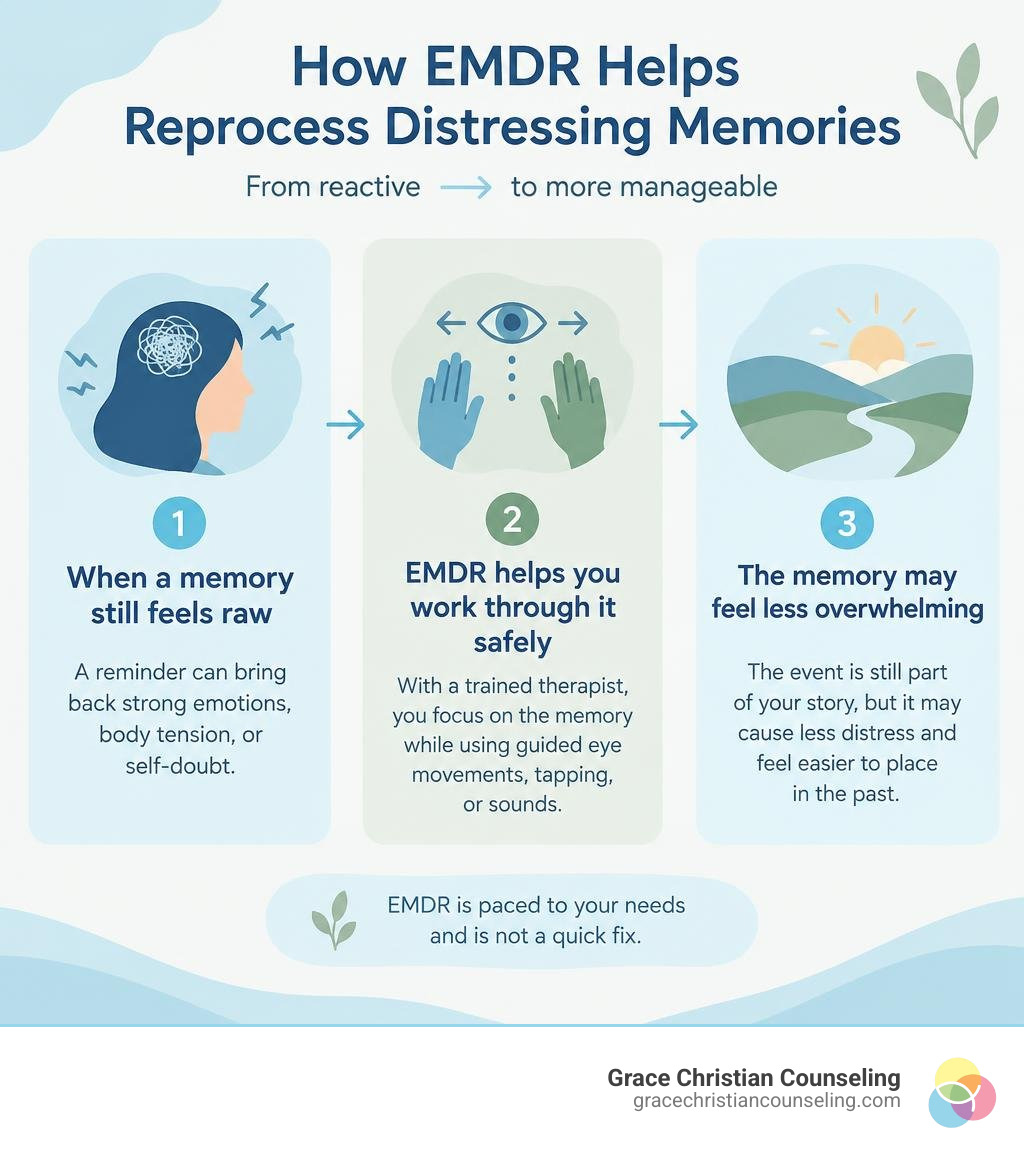
EMDR is an evidence-based trauma-focused therapy and one of the treatments recommended for PTSD. During EMDR, you briefly bring a distressing memory to mind while also paying attention to alternating movements or sensations, such as guided eye movements, tapping, or sounds. Over time, the goal is for the memory to become less distressing and for healthier beliefs and perspectives to emerge.

EMDR is guided by a theory called the Adaptive Information Processing model, which proposes that some distressing experiences remain inadequately processed and continue to influence present-day thoughts, emotions, physical reactions, and beliefs. Researchers are still studying exactly how EMDR works, including the role of bilateral stimulation, so it is more accurate to describe this as a clinical model rather than a proven explanation of how traumatic memories are physically stored in the brain.
Research supports EMDR as a treatment for PTSD, although studies are not specific to narcissistic abuse. A 2025 systematic review identified 16 newer randomized controlled trials involving 1,031 adults with PTSD and found that EMDR significantly improved PTSD symptoms compared with waitlist or usual care, while outcomes were not significantly different from trauma-focused cognitive behavioral therapy. The researchers also noted limitations in the evidence, including small study sizes and risk of bias, reinforcing the importance of choosing treatment based on each person’s needs and clinical history.
Reprocessing Dysfunctionally Stored Elements (DSEs) in EMDR for Narc Trauma
When relational abuse occurs, the brain stores fragments of the experience as dysfunctionally stored elements (DSEs). These elements encompass visceral somatic sensations, frozen emotional affect, distorted self-beliefs, and sudden intrusive images. A partner’s harsh glare or an icy silence becomes frozen alongside feelings of terror and helplessness.
These patterns often intersect with unresolved background dynamics; research consistently links early attachment disturbances and childhood maltreatment to heightened vulnerability in adult relational contexts. Addressing these layers through healing from childhood trauma helps resolve early traumas of omission, such as emotional neglect, which may have initially compromised healthy self-protection and boundary discernment.
Overcoming Defensive Structures in EMDR for Narc Trauma
Navigating the aftermath of narcissistic relationships requires careful clinical pacing. Survivors frequently develop robust self-protective barriers, such as hyper-independence, emotional numbing, or intense shame sensitivity, to survive hostile environments. If these defenses are challenged prematurely, therapy can trigger deep distress.
Our clinicians maintain steady compassionate attunement, providing non-judgmental “loving eyes” to foster an atmosphere of safety. By offering unconditional positive regard, therapists help clients soften these survival shields, cultivate distress tolerance, and process deeply buried relational injuries without emotional rupture.
The Adapted 8-Phase EMDR Protocol for Survivors
Standard EMDR follows a comprehensive eight-phase structure across three distinct prongs: past foundational events, present environmental triggers, and future adaptive behaviors. When working through complex emotional manipulation, clinicians adapt these phases to respect the survivor’s nervous system capacity and avoid re-traumatization.
Exploring the ins and outs of therapy for narcissistic abuse recovery highlights the necessity of thorough case conceptualization and flexible target sequencing. EMDR follows an eight-phase framework, but the amount of time spent in each phase varies from person to person. Some clients need more time building coping skills, safety, and trust before beginning memory reprocessing, while others may be ready to move forward sooner. A trained EMDR therapist assesses readiness throughout treatment and adjusts the pace according to the client’s needs.

Extended Preparation and Resource Development
Phase 2 (Preparation) is significantly lengthened when addressing pervasive relational trauma. Before opening distressing memory networks, clients must establish dependable dual awareness, retaining one foot grounded in the present safety of the counseling room while briefly observing the past.
Depending on the client’s needs, preparation may include:
- Developing an internal calm state or safe-place resource that may help with grounding.
- Practicing containment exercises for distressing thoughts between sessions.
- Learning somatic grounding strategies for times when physical or emotional activation increases.
- Creating emotional safety and crisis-support strategies when needed.
- Building greater capacity to notice and tolerate difficult emotions without becoming overwhelmed or disconnected.
Desensitization, Installation, and Shifting Negative Cognitions
During Phase 3 through Phase 6, processing directly engages target memories using bilateral stimulation. Clients identify the disturbing image, track bodily tension, measure their Subjective Units of Disturbance (SUD), and pinpoint the negative cognition (NC) that formed during the abuse, such as “I am fundamentally defective” or “I am responsible for their behavior.”
As desensitization proceeds, distress associated with the memory may decrease and previously held negative beliefs may begin to shift. The therapist then works with the client to strengthen a more adaptive positive belief, such as I am worthy of respect or I am safe now, using the Validity of Cognition (VOC) scale to track how true that belief feels. A body scan helps identify any remaining physical sensations or distress connected with the memory.
Integrating Complementary Modalities with EMDR
While EMDR is a powerful tool for memory desensitization, comprehensive recovery from emotional abuse requires an integrative, multi-faceted approach. Combining EMDR with cognitive behavioral strategies, somatic grounding, and pastoral care provides holistic restoration for mind, body, and spirit.
Our clinical team includes licensed mental health professionals with a range of credentials and experience who integrate evidence-based psychological interventions with foundational faith principles through dedicated Christian trauma counseling. This balanced approach ensures that clients receive rigorous clinical care while finding spiritual encouragement and solace in God’s promises. For additional pastoral support alongside clinical counseling, we also recommend NuWell, a pastoral counseling resource that complements the restorative work done in session.
Somatic Grounding and Boundary Reconstruction
Chronic relational stress can leave some survivors feeling persistently on guard or especially sensitive to reminders of past experiences. Somatic grounding techniques can help you notice physical signs of stress, reconnect with the present moment, and practice regulating your response when difficult emotions or trauma reminders arise.
Equally critical is boundary reconstruction. Trauma processing reduces internal reactivity, but practical boundary setting protects future well-being. Scripture frequently reminds us of the value of healthy discernment; as Proverbs 4:23 states, “Above all else, guard your heart, for everything you do flows from it.” Rebuilding healthy relational boundaries empowers survivors to honor their personal values and maintain safe, fulfilling connections.
Restoring True Identity Through the Counseling Blueprint
At Grace Christian Counseling, our core clinical framework is the Counseling Blueprint, a four-stage approach designed to help clients explore emotional wounds, unhealthy patterns, and their identity through both clinical care and biblical truth:
- Take Off the Mask: Building genuine therapeutic rapport, creating safety, and permitting you to share your story without fear of judgment.
- Heal the Wounds: Exploring deep emotional and relational hurts using trauma-informed methodologies like EMDR to desensitize painful memories.
- Remove the Toxins: Identifying and dismantling insidious lies, gaslighting echoes, and unhelpful survival beliefs that accumulated during the abusive dynamic.
- Replace with Truth: Installing God’s unchanging truth and empowering, accurate perspectives about your worth, identity, and future.
This intentional integration creates space to address the effects of trauma while exploring identity, healing, and hope through the grace and truth of Scripture. Psalm 147:3 reminds us that God heals the brokenhearted and binds up their wounds.
Frequently Asked Questions about EMDR for Relational Trauma
Can EMDR cure narcissistic trauma permanently?
EMDR is highly effective for reducing the emotional distress, flashbacks, and somatic reactivity tied to traumatic memories; however, recovery is an individualized journey rather than an instantaneous cure. While EMDR helps clear the raw emotional charge of past events, sustained healing also requires ongoing boundary work, rebuilding self-esteem, and establishing healthy relational patterns over time.
When is EMDR premature for an abuse survivor?
EMDR memory desensitization is premature if a client is currently residing in an unsafe domestic environment, experiencing acute crisis, or struggling with severe, unmanaged dissociation. In these situations, the initial priority is establishing physical safety, emotional stabilization, grounding skills, and supportive resources before processing traumatic memories.
What adaptations are required during bilateral stimulation?
When treating relational abuse survivors, therapists frequently adapt bilateral stimulation by using shorter sets of BLS, checking in more frequently, and utilizing cognitive interweaves to help unblock looped processing. Pacing is adjusted carefully to keep the client within their optimal window of emotional tolerance throughout each session.
Conclusion
Recovering from the devastating effects of narcissistic abuse can feel overwhelming, but you do not have to walk this path alone. Trauma-informed interventions like EMDR, evidence-based clinical practices, and the renewing hope of Scripture can all play a meaningful role in the healing process. Symptom improvement varies by individual and approach, but healing is entirely possible with the right support.
Grace Christian Counseling provides Christ-centered, evidence-based counseling for individuals, couples, and families in Western Pennsylvania, including Pittsburgh, North Huntingdon, Penn Hills, Uniontown, Bethel Park, Sewickley, Mt. Lebanon, and surrounding areas, as well as online counseling statewide. Our clinical approach thoughtfully integrates proven practices like CBT and trauma-informed care with Biblical truth and the guidance of the Holy Spirit.
If you are ready to process past wounds and reclaim your God-given identity, we invite you to explore our specialized therapy for overcoming emotional abuse and connect with our caring clinical team today.
This article was researched with AI and heavily edited by Bekah McCrorey for accuracy and relevance.
Bekah McCrorey is a counselor at Grace Christian Counseling. She holds a Master’s degree in Counseling from Dallas Theological Seminary and a Bachelor’s degree in Christian Ministry from Chesapeake Bible College and Seminary. She is a provisionally licensed counselor working under supervision toward full licensure as a Licensed Professional Counselor (LPC) in Pennsylvania.
With over 12 years of full-time ministry experience supporting individuals, families, ministry leaders, and churches nationally and internationally, Bekah brings a deep understanding of emotional and spiritual struggles. As a counselor, she uses a client-centered, trauma-informed, and evidence-based approach. She is Level 1 trained in Restoration Therapy and is passionate about helping clients navigate anxiety, depression, grief, trauma, life transitions, and relational difficulties while integrating emotional and spiritual well-being.
This guide is for educational and spiritual encouragement and is not a substitute for personalized professional counseling. If you are in crisis, please reach out for immediate help.


